State of Influence Index 2026 now LIVE - Explore the creators, trends and platforms driving conversations
Key findings
Knowing your EMV is one thing. Understanding what's driving it and what your competitors are doing differently is another. This report gives brand and marketing teams the benchmarks, platform data, and trend analysis to make smarter influencer investment decisions in 2026.

that should change how you plan, buy, and measure creator partnerships this year.
The efficiency gap between platforms is widening. YouTube generates on average $83,361 EMV per post versus Instagram's $15,289 — the most underused, highest-returning platform in the dataset. Brands that still treat it as secondary are leaving the majority of their potential earned media value unrealised. The data doesn't suggest doing less on Instagram — it suggests doing far more on YouTube.
Across 797 tracked brands, the top 10 account for nearly half of all earned media value. This reflects compounding advantages: larger creator networks, more consistent activation, and stronger cultural resonance. The strategic question is not whether concentration is happening — but which side of it you intend to be on.
Fandom is the most scalable form of influence. Sport Leagues, with just 13 brands, outperform all beauty sub-sectors combined — raising the benchmark every other brand competes against for creator attention and cultural relevance. The playbook of passion-community activation is transferable, but the window to build it is shortening.
Geography still defines influence at scale. US-based creator output dominates globally — but European creators are moving. The cost efficiency of working with European talent remains more favourable than US markets, and output is growing across UK, France, Germany and beyond. Brands that invest now, before US-level competition arrives, stand to build category authority in still-contestable markets.
TikTok generates 27% of all earned media value from just 17% of posts, averaging $44,730 EMV per post — and grew +82.9% year-on-year, the fastest of any platform in the dataset. Brands still treating TikTok as experimental are already behind. The next phase is not about whether to invest — it is about which creators, which formats, and which markets to prioritise, because the window to build category share before consolidation is narrowing fast.
Platform spotlight
Every platform tells a different story in 2026. Understanding where your category is winning matters more than where the overall market spends.
Instagram commands $48.5B in total EMV and remains the default activation platform across all categories. But at −2.2% YoY, it is showing the first signs of maturity. The risk is over-indexing into Reels volume at the expense of higher-return formats elsewhere.
YouTube generates $83,361 EMV per post — 5.5× Instagram's average — yet represents a fraction of most brands' activation budgets. Brands that build YouTube as a primary channel while competitors retreat to Reels volume will find themselves in a category of one.
TikTok's growth trajectory is the most important platform signal in the 2026 dataset. Its combination of above-weight EMV efficiency ($44,730/post) and category-leading growth rate means the brands investing seriously now will set benchmarks others struggle to match.
| # | Platform | Total EMV | YoY Growth | EMV / Post | Signal |
|---|---|---|---|---|---|
| 1 | Instagram |
$48.5B | −2.2% | $15,289 | High volume, maturing growth |
| 2 | YouTube |
$37.0B | −9.0% | $83,361 | Highest efficiency — chronically underused |
| 3 | TikTok |
$36.9B | +82.9% | $44,730 | Fastest-growing, above-weight EMV |
| 4 | Facebook |
$11.9B | +78.4% | $70,117 | Sleeper — high return, low competition |
| 5 | Twitch |
$297M | −24.1% | $18,106 | Live streaming losing ground to short-form |
Performance by vertical
The 2026 index covers Beauty, Sports & Athleisure, and Media & Entertainment. Platform mix, creator tiers, and growth drivers differ sharply between them.
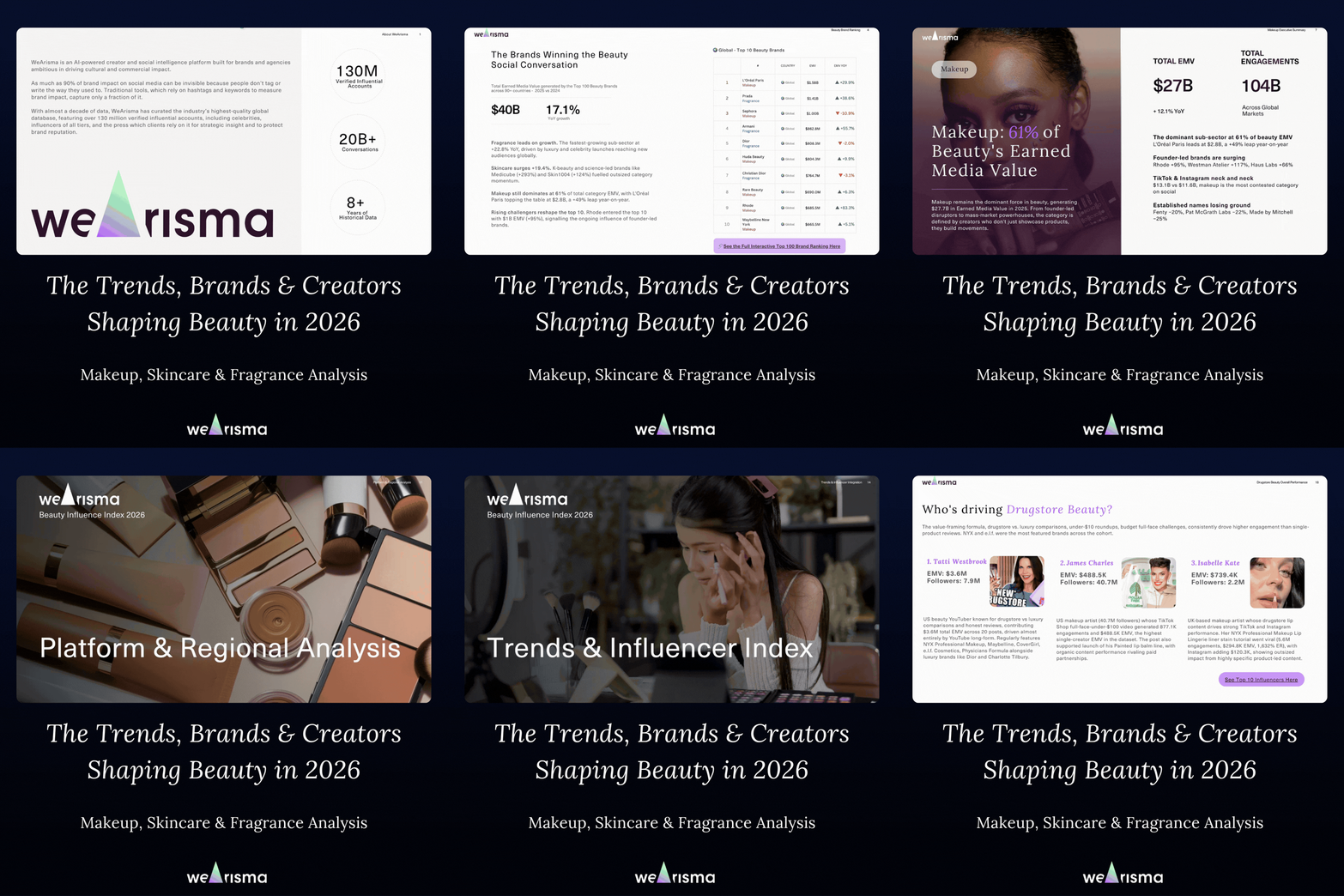
The top 100 beauty brands generated $40B in total EMV — up +17% YoY. TikTok became the #1 beauty platform for the first time, fragrance surged as the fastest-growing sub-sector, and K-beauty nearly doubled overnight.
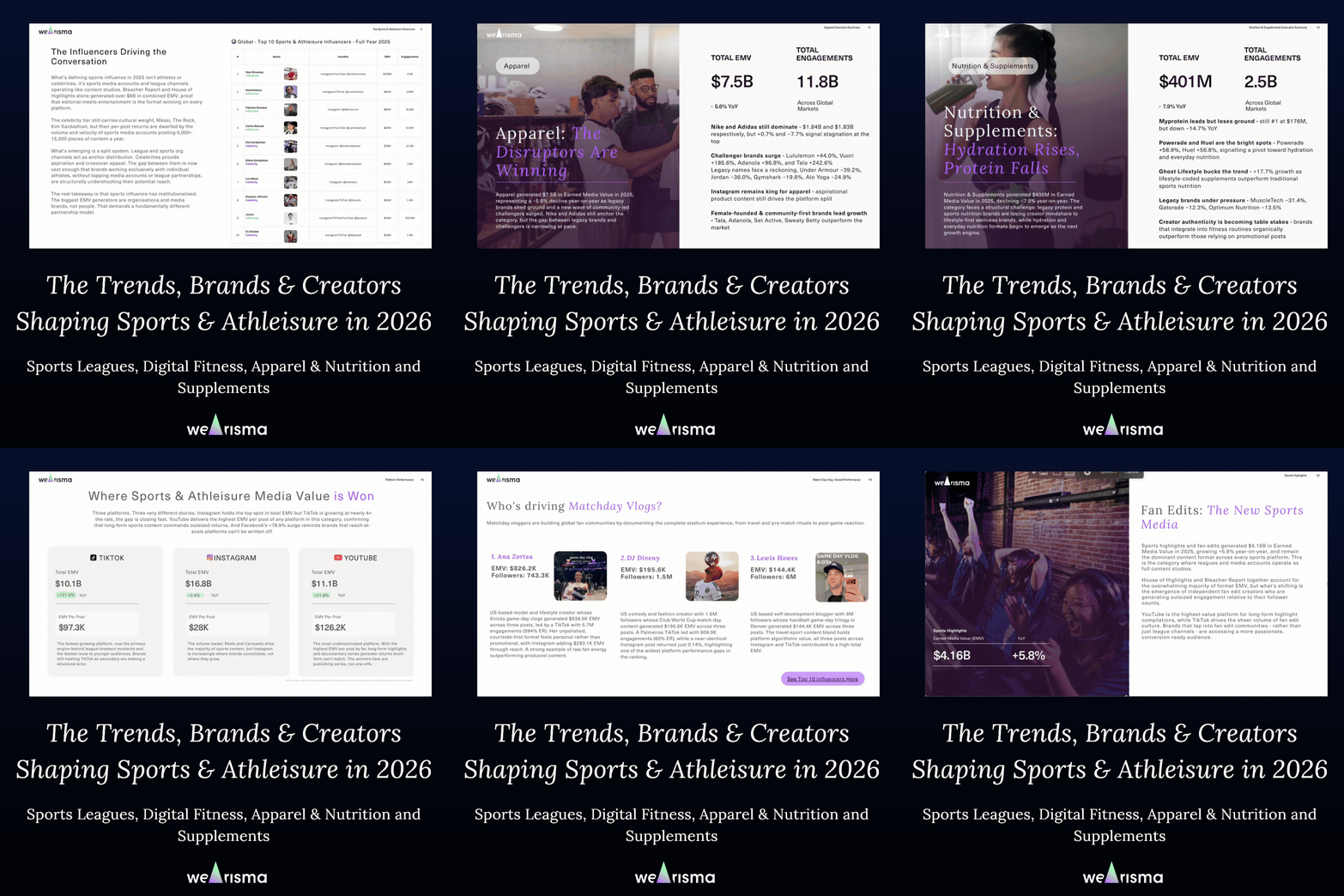
The top 100 sports brands generated $43B in total EMV — up +30% YoY. Sports leagues dominate despite being just 13 brands, while TikTok posted +121.6% growth — the fastest single-platform jump in the entire 2026 dataset.
Media & Entertainment is the sector where long-form content generates the most disproportionate return. YouTube's per-post efficiency is highest here, fan-led formats like reviews and fan theories are outperforming brand-produced content, and creator communities are driving sustained cultural relevance.
Creator strategy
Micro-influencers consistently outperform on engagement and cost efficiency. But the right tier depends on your objective.

Content formats
Instagram Reels account for 43% of all posts but only 22% of EMV. Long-form YouTube content represents just 10% of posts but delivers 33% of EMV.
Instagram Reels remain the single most-published format in the dataset at 43% of all posts. Despite this saturation, they deliver only 22% of total EMV — a clear signal that volume-focused Reels strategies are producing diminishing returns. The format still has a role, but it should not anchor the majority of brand investment.
Long-form YouTube video represents just 10% of posts but delivers 33% of total EMV — a 3× efficiency advantage over Reels. The barrier to entry is real: long-form content is harder to produce and requires genuine creative investment. That barrier is also the competitive moat. Fewer brands compete on YouTube because fewer brands are willing to invest properly.
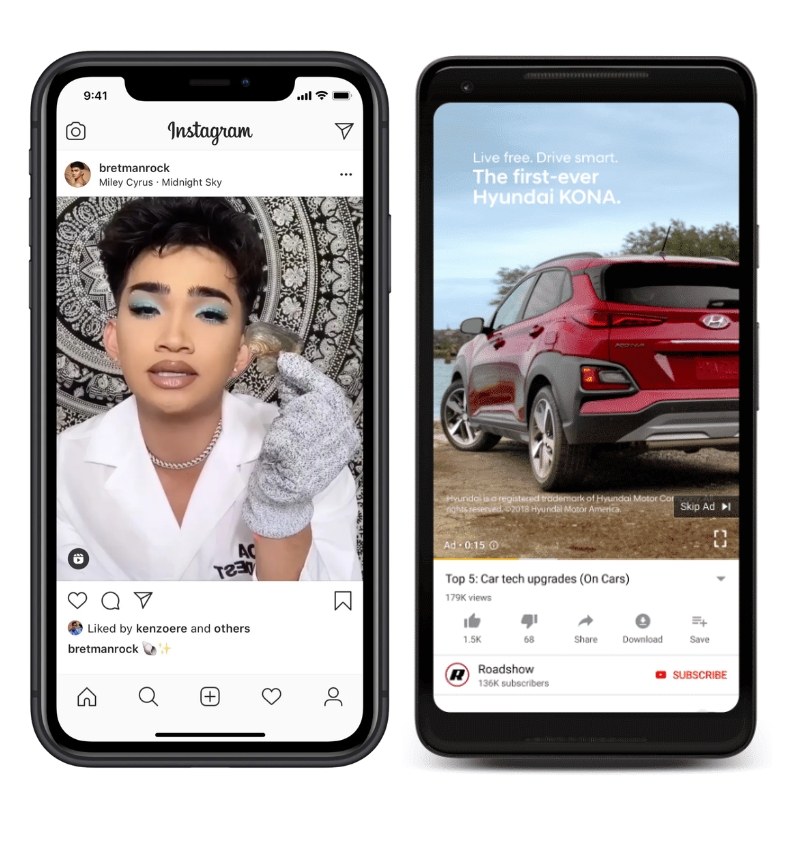
In Beauty, TikTok leads at $32,191 per post and drives 42% of sector EMV. In Sports & Athleisure and Media & Entertainment, YouTube dominates at $111,446 and $97,319 per post respectively. Choosing the wrong primary format for your category isn't a minor inefficiency — it's a structural disadvantage against every competitor who got it right.
See your vertical breakdownOutlook for 2026
The data from 2025 points clearly to where value will be created and destroyed in influencer marketing over the next 12 months.
Every sector shows the same pattern: YouTube delivers the highest EMV per post by a significant margin, yet remains chronically underused relative to its returns. As that gap becomes harder to ignore, expect brands to reallocate budgets away from high-volume Reels and towards fewer, deeper YouTube partnerships. The brands that move first will set a benchmark others scramble to match.
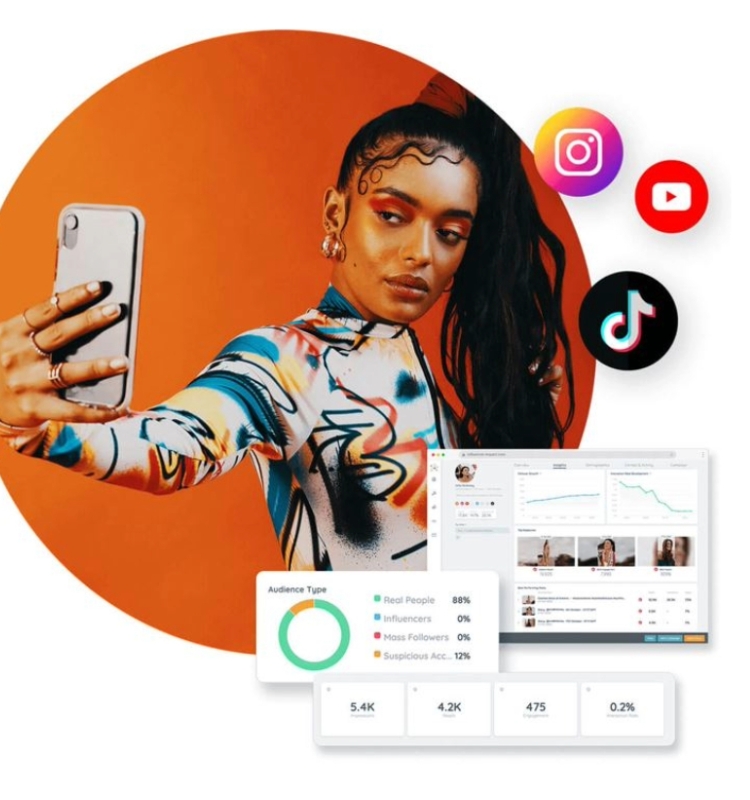
EMV per post varies by multiples across platforms, even when the creator and format are identical. A brand optimising for creator fit alone — without accounting for platform context — is leaving a significant portion of its return to chance. As platform performance gaps widen across all three sectors, the most successful brands will evaluate platform and creator as a combined decision, not sequential ones.
At +82.9% YoY, TikTok is the fastest-growing platform — and it's not slowing. Brands still treating it as an experimental channel are already behind. The next phase isn't about whether to invest, it's about which creators, which formats, and which markets to prioritise — because the window to build meaningful share before the category consolidates is closing fast.
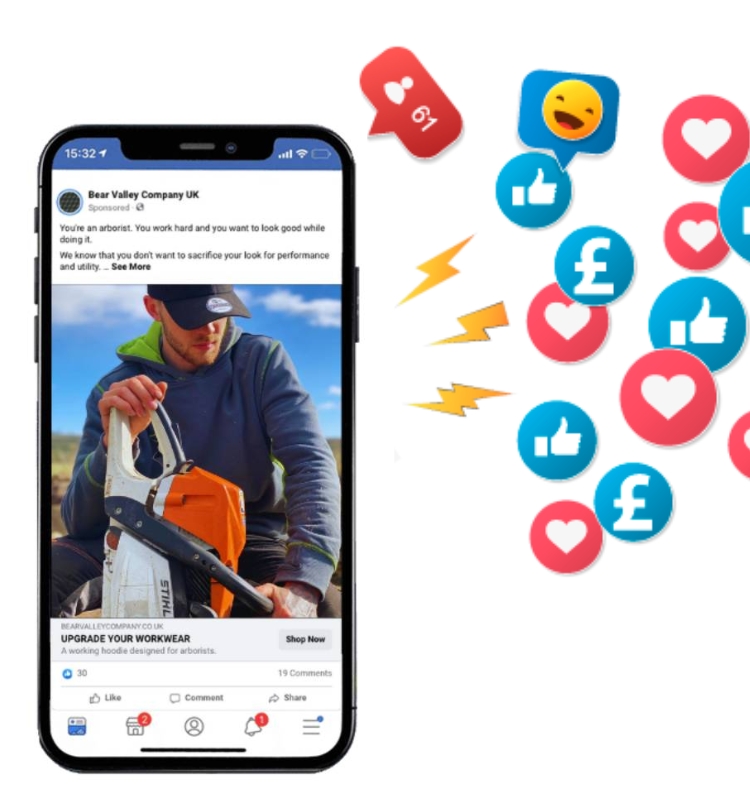
Facebook grew 78.4% YoY and averages $70,117 EMV per post — second only to YouTube. Yet almost no brand has a Facebook-first creator strategy. The audience is older, more purchase-ready, and less contested for creator attention. The brands that recognise Facebook as a high-return channel before it becomes consensus will find themselves in a category of one.
US creators drive nearly 5× the EMV of the UK, and the gap to continental Europe is wider still. But European creator output is growing, and the cost efficiency remains more favourable than US markets. Brands willing to invest in European creator relationships now — before US-level competition for talent arrives — stand to build category authority in markets that are still genuinely contestable.
Measurement
Measurement sophistication now determines which brands extract full value from creator investment — and which are making decisions on incomplete data.
One of the most significant measurement gaps in the 2026 dataset: brands systematically miss organic, untagged content where creators mention or feature products without formal partnerships. Traditional tracking methods capture only a fraction of total brand exposure — and organic mentions often indicate stronger audience affinity than paid content.
Multi-touch attribution presents ongoing challenges as customers interact with multiple creators across multiple platforms before purchasing. The problem is structural, not technical — and privacy changes continue to reduce the reliability of traditional pixel-based tracking.
Effective measurement in 2026 extends well beyond engagement rate and reach. The brands extracting the most value from creator investment are measuring outcomes, not activity.
The measurement gap between leading and lagging brands is widening. Best-in-class measurement in 2026 combines AI-powered content detection with first-party data integration and competitive benchmarking.
WeArisma's AI Organic Measurement uses visual and video recognition technology to uncover up to 90% of conversations linked to your creator marketing activities — including content that never tags your brand. Most brands are measuring less than half of their actual impact.
See how it worksAction plans
The 2026 data points to different priorities depending on where you are in your influencer marketing maturity.
Creators in focus
Explore the top influencers per industry by content niche — ranked by EMV.

Top macro influencers shaping K-beauty globally.
Read more →
Discover Q1 2026's top drugstore beauty influencers with engagement insights.
Read more →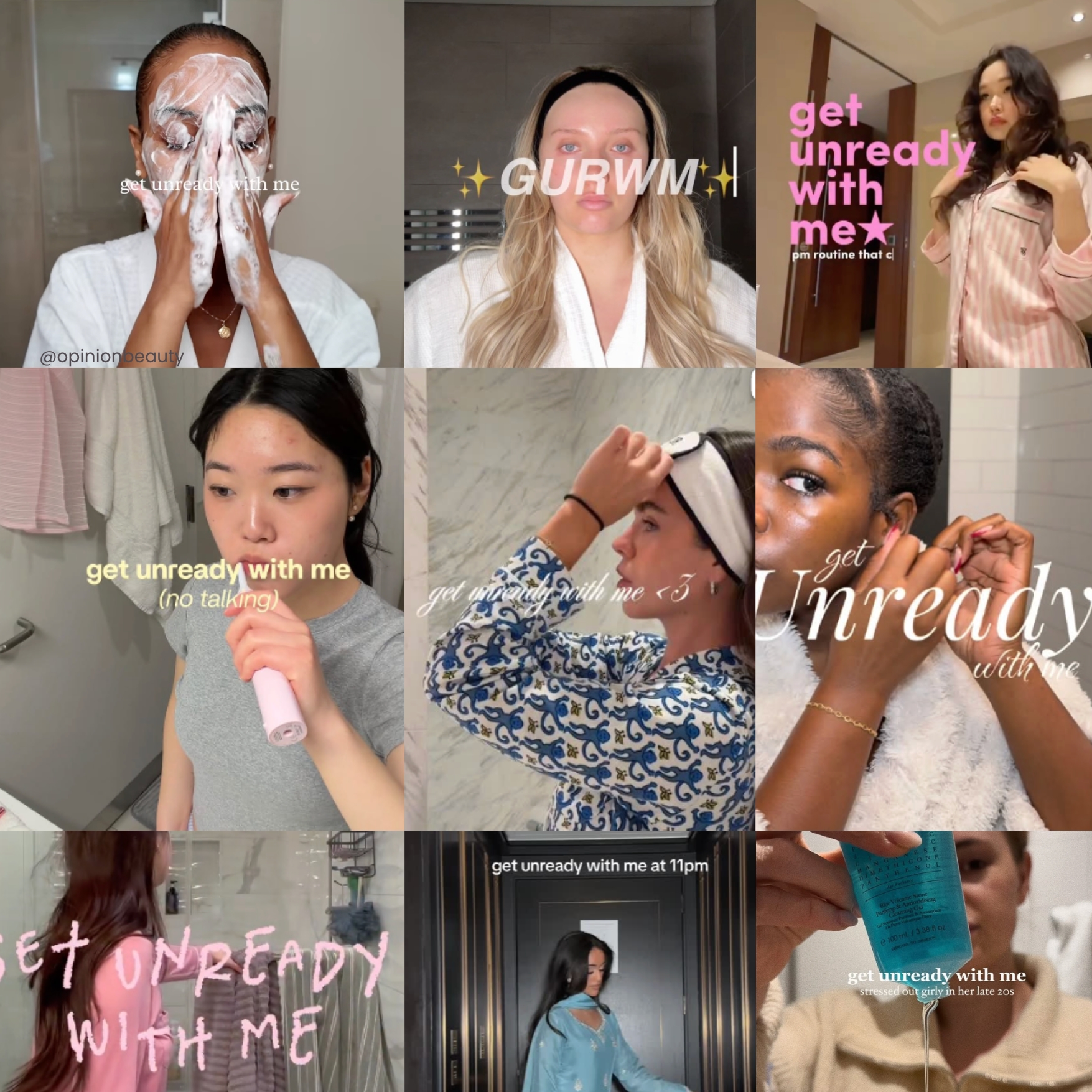
Influencers shaping the Get Un-Ready With Me movement worldwide.
Read more →
Top fragrance influencers redefining scent layering.
Read more →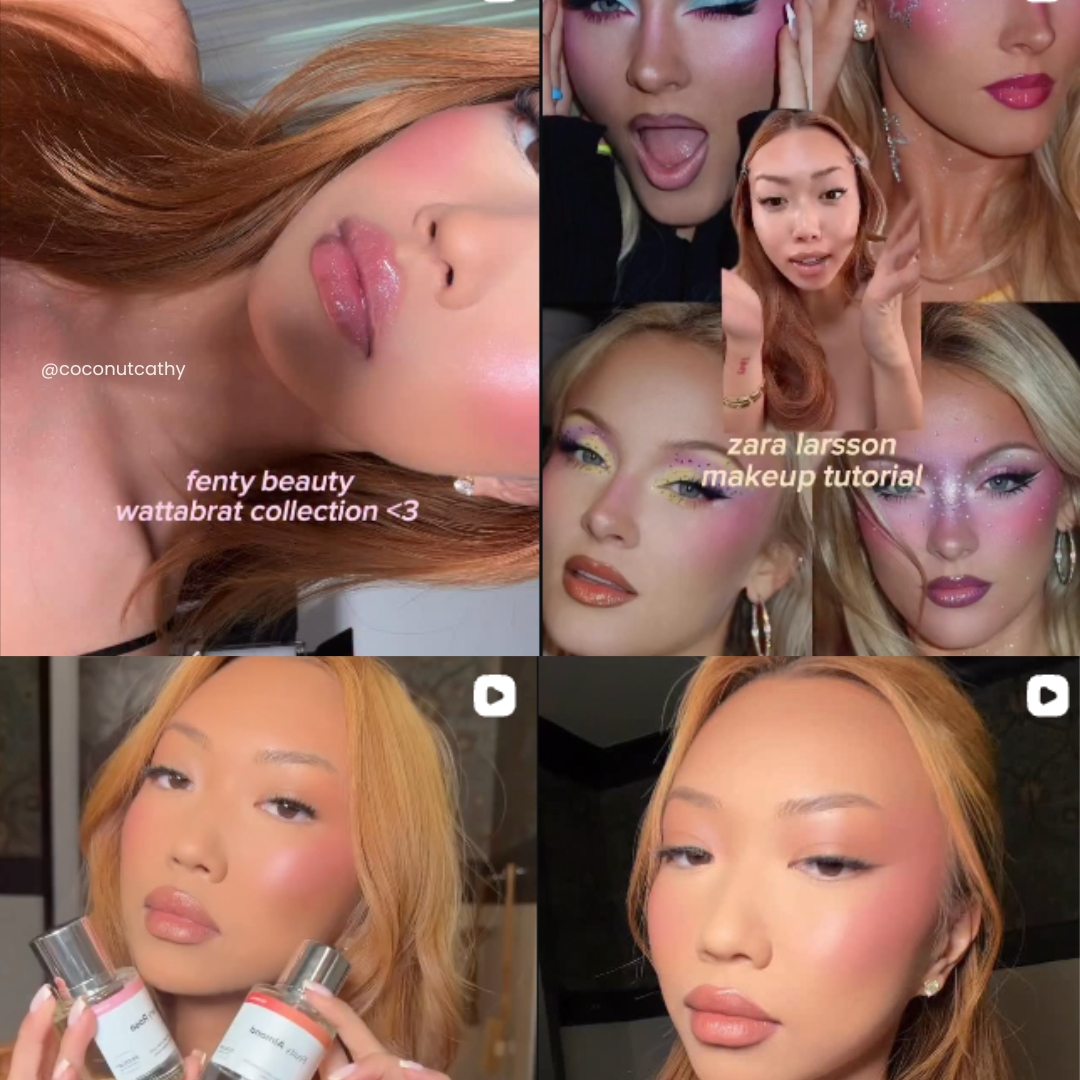
Global beauty influencer analysis and rankings.
Read more →
Discover the top 10 sports comedy influencers. Complete analysis with ranking based on EMV.
Read more →
Discover the top 10 influencers for match-day related content. Complete analysis with ranking based on EMV.
Read more →
Discover the top 10 influencers across the globe for the 'Get Ready With Me – Sports' trend.
Read more →
Discover the top 10 influencers posting sports match highlights with engagement rates and media values.
Read more →
Discover the top 10 influencers for skills tutorials in sport with engagement rates and media values.
Read more →
Discover the top 10 movie review influencers across the globe for 2025.
Read more →
Discover the top 10 influencers for 'must watch' shows and films.
Read more →
Discover the top 10 influencers for TV and film fan theories.
Read more →
Discover the top 10 influencers in 2025 for graphic design tutorials.
Read more →
Discover the top 10 influencers in parody sketches.
Read more →Vertical reports
This index gives you the cross-industry picture. The vertical reports go further — full brand rankings, creator breakdowns, trend analysis, and platform signals specific to your category. Free to explore.

Ready to act on the data
Understanding industry benchmarks is the first step. The second is knowing exactly where your brand stands — which creators, which platforms, and which competitors are shaping your category right now.