State of Influence Index 2026 now LIVE - Explore the creators, trends and platforms driving conversations
Top 10 Influencers for Media and Entertainment Fan Theories
Fan theory content proved one of the most consistently engaging formats across the media and entertainment industry, with creators spanning comedy, beauty, lifestyle, and travel all finding traction by anchoring posts to well-known films, TV franchises, and celebrity narratives. The strongest performers shared a common instinct for cultural timing — dropping content at the precise moment a theory was already circulating, whether tied to a Season 3 release window, a film festival premiere, or a celebrity feud cycle. Follower count was largely irrelevant to outcome: micro-creators regularly outperformed million-follower accounts on engagement rate, while reach-heavy creators still generated significant media value from minimal interaction.
Key Insights
-
Fan theories spanning movies, Disney, and TV dramas dominated influencer content, with conspiracies proving to be one of the most shareable content formats across platforms.
-
Follower count had little bearing on performance — micro-creators like THE FUTURE ARCHIVE (51K followers) and Polina (132.6K) generated engagement rates of 62% and 146% respectively, outperforming several accounts with millions of followers.
-
Streaming culture is fuelling the theory cycle: Severance, Breaking Bad, Squid Game, and Netflix titles repeatedly surfaced as the anchor points for fan speculation, reflecting how platform-driven viewing habits are shaping creator content calendars.

Movies Verse | Joshua
US blogger and content creator with 556.9K followers whose fan theory content generated $457.5K EMV across 2 posts. His top Instagram post — a theory exploring whether Tom’s final conversation with Summer in 500 Days of Summer was imagined — hit 411.7K engagements at a 138.91% engagement rate, the highest media value post in this ranking. His format centres on reframing familiar films through a single interpretive question, inviting his audience to debate rather than simply consume.


Ty Bott
US comedy vlogger with 4.2M followers whose Bee Movie conspiracy series generated $414.2K EMV across 9 posts on TikTok, YouTube, and Instagram. His top TikTok — the original Bee Movie conspiracy post — hit 304.1K engagements at a 7.42% engagement rate. His approach extends a single cultural hook across multiple episodes and platforms, turning one conspiracy into a serialised content event rather than a one-off viral moment.




Bailey Sarian
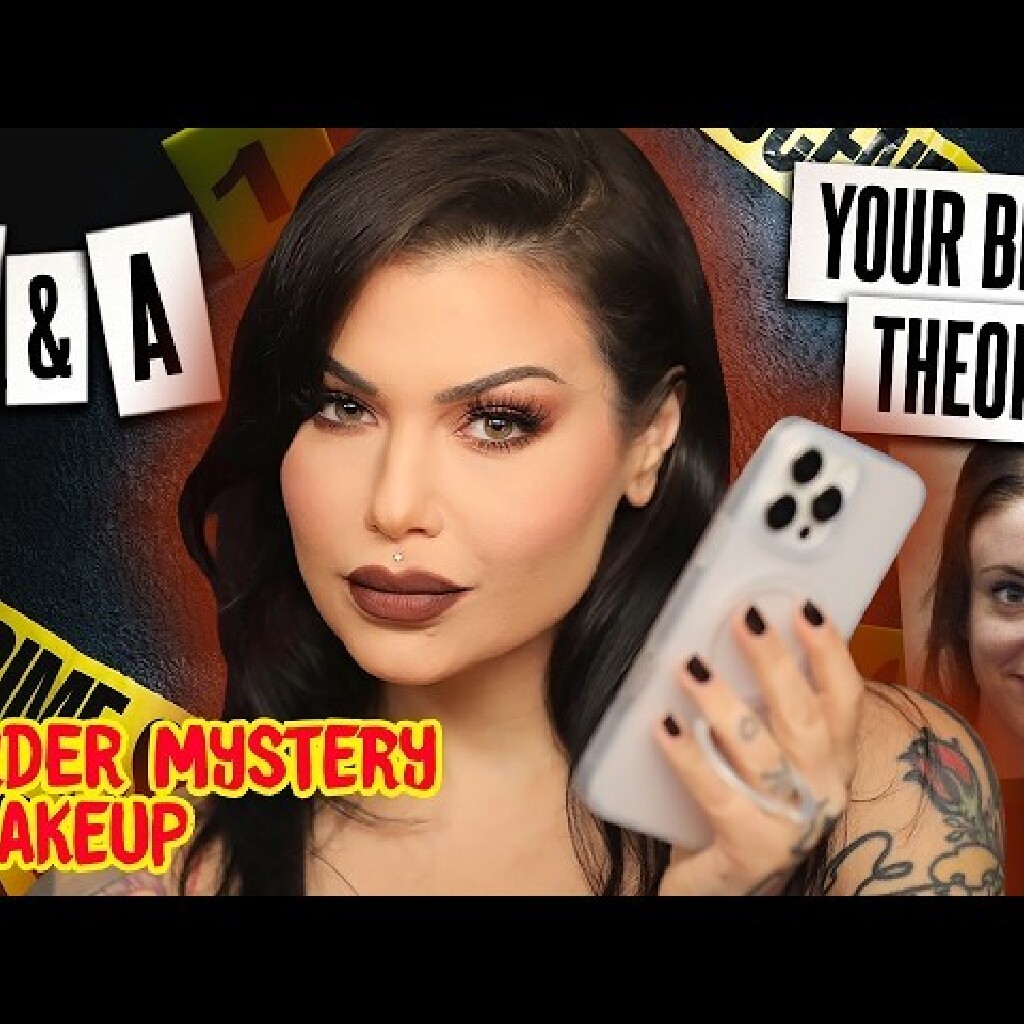
US makeup artist and vlogger with 7.9M followers whose single collected post — a long-form YouTube Q&A reacting to audience-submitted true crime fan theories — generated $162.8K EMV at 684.5K engagements and an 8.86% engagement rate. Her format absorbs the fan theory trend without abandoning her core true crime and beauty identity, demonstrating how an established creator niche can make space for speculation-driven content without any loss of audience alignment.

AlexXxStrecci
Mexico-based vlogger with 5M followers whose single collected post — a Facebook exploration of the Breaking Bad / Malcolm in the Middle crossover fan theory — generated $73.8K EMV despite registering just 12 engagements. His media value is driven entirely by audience scale rather than content interaction, making him the clearest illustration in this ranking of how reach alone can generate significant returns.


Jack Jerry Jerry
US actor and comedian with 2.3M followers whose Disney conspiracy content generated $47.4K EMV across 4 posts on YouTube and Instagram. His top YouTube Short — a Disney movie revelation framed around the “it took me 9 years to realise this” hook — hit 34.4K engagements at a 3.34% engagement rate. His format leans on delayed-revelation storytelling, using a familiar Disney reference point to maximise the broadest possible audience appeal.

Want Deeper Insights?
Discover comprehensive influencer analytics and performance data with Wearisma's platform

Carmen Sognonvi | Travel
US blogger and content creator with 587.0K followers whose two collected posts — both capturing her real-time obsession with Severance fan theory videos — generated $22.2K EMV across TikTok and Instagram. Her top TikTok hit 2.7K engagements at a 0.45% engagement rate. Her value here is less about format and more about timing: dropping into a cultural conversation at exactly the right moment rather than approaching fan theory content as a planned content pillar.



THE FUTURE ARCHIVE
Fashion and culture blogger with 51.0K followers whose single collected post — an Instagram exploration of the Breaking Bad / Malcolm in the Middle fan theory — generated $21.1K EMV at 19.6K engagements and a 62.18% engagement rate. Despite a small following, the post’s cultural familiarity and credited sourcing gave it reach well beyond a niche audience, making it one of the stronger cases in this ranking for content relevance outperforming follower scale.


Michael Jae
US creative director with 623K followers whose single collected post — a YouTube video reporting on the Squid Game director confirming fan theories ahead of Season 3 — generated $19.9K EMV at 43.8K engagements and a 7.41% engagement rate. Posted just weeks before the season’s release, his result is driven by timing rather than format: tracking a franchise’s press cycle closely enough to publish at the precise moment audience interest peaks.

Polina
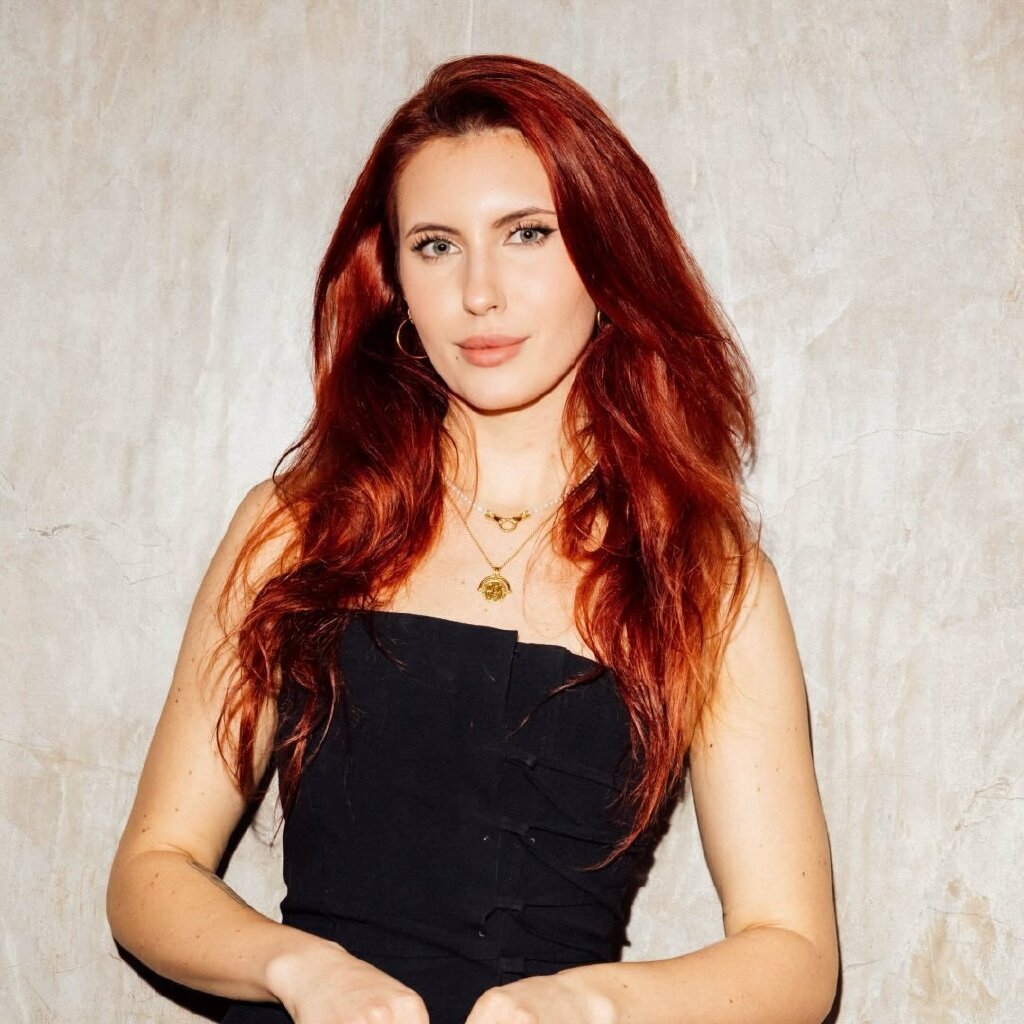
UK blogger and content creator with 132.6K followers whose single collected post — a TikTok championing Sirāt ahead of its BFI London Film Festival screening — generated $14.1K EMV at 181.8K engagements and a 146.29% engagement rate, the highest engagement rate in this ranking. Her format sits closer to passionate advocacy than formal criticism: a personal, urgent recommendation for a film most of her audience had not yet heard of, delivered with enough conviction to make them want to seek it out.


PerezHilton.com
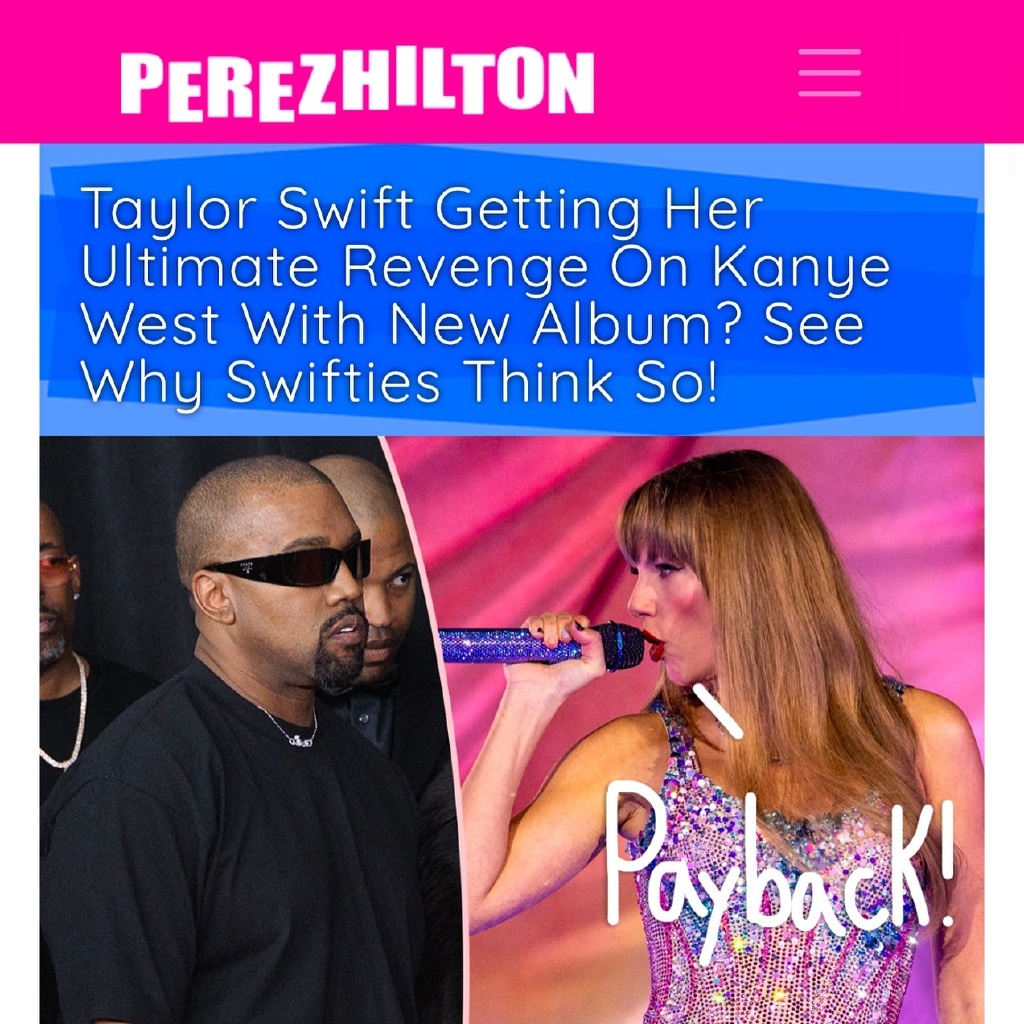
US blogger and journalist with 615.2K followers whose 2 collected posts — both exploring fan theories around Taylor Swift’s new album and its connections to ongoing celebrity feuds — generated $12.3K EMV at 268 engagements. Their approach brings the fan theory format into celebrity gossip territory rather than film or TV, framing speculation around real-world pop culture narratives and demonstrating how the theory format has expanded well beyond entertainment media into broader cultural commentary.