State of Influence Index 2026 now LIVE - Explore the creators, trends and platforms driving conversations

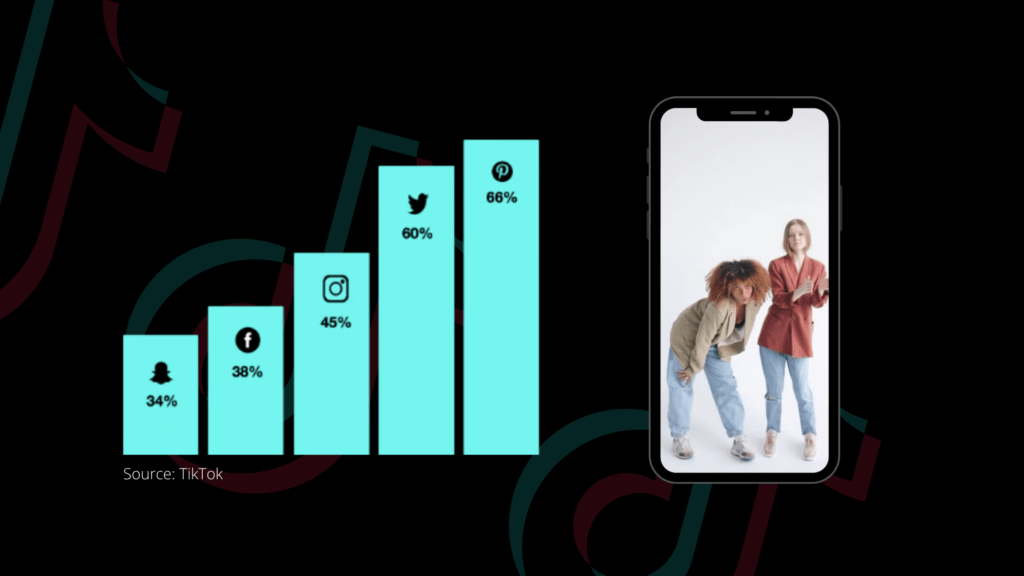
Contrary to popular belief, the world’s fastest-growing app is not just beneficial for Gen-Z influencers. Wearisma’s data reveals that sponsored content performs incredibly well on TikTok generating an average Engagement Rate of 25% compared to 10% on YouTube and 2% on Instagram. These figures place TikTok at the forefront of platforms for brands to engage when developing their influencer campaigns. On TikTok, brands can get access to an entirely new audience. 45% of TikTok users don’t have an Instagram account and 60% of TikTok users don’t have a Twitter account. You won’t just be retargeting your existing audience on this platform, you’ll be tapping into a new one.
Download our free TikTok strategy guide and discover how to navigate, grow and captivate audiences on this new platform and our solutions can make this easier.
Covid-19 added extra fuel to the E-Commerce engine and China’s social media marketers have dreamed up new ways to engage online consumers. Social Commerce, also known as ‘Shoppertainment’ connects e-commerce with social media and has contributed to 50 billion worth of e-commerce sales. Influencer Austin Li Jiaqi started out selling make-up products on a small scale in China and now sells them to millions by live-streaming on Taobao, China’s biggest internet retailer – once shifting 15K lipsticks in five minutes. As global social media platforms evolve to incorporate social commerce, brands will need to utilise intelligent tools to measure the direct impact their influencers are having on sales.
The launch of our new Clicks & Sales tracking tool is the most efficient way to help you fill in the blanks and generate an accurate picture of your overall ROI.
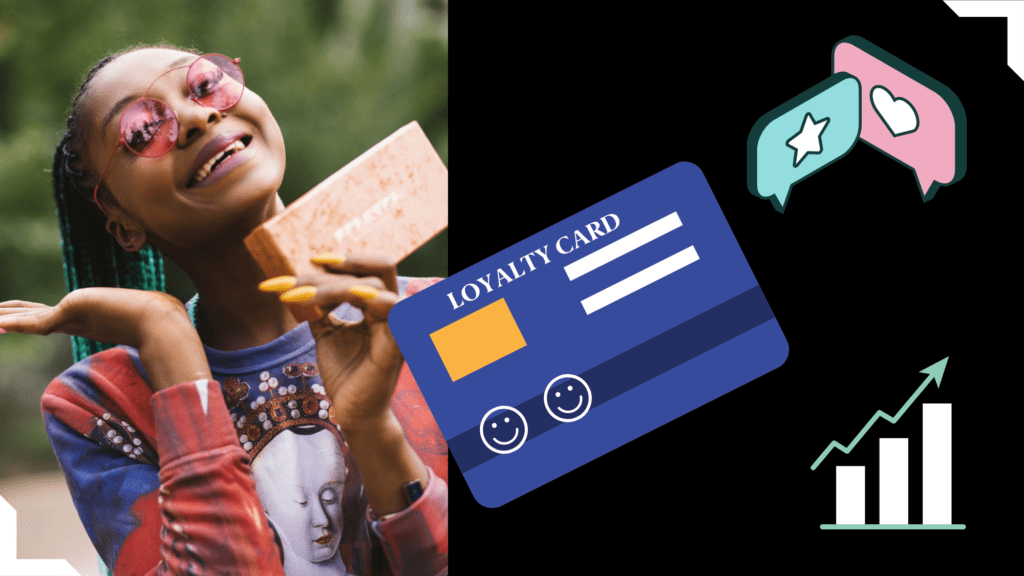
Alongside increased marketplace competition, the cost of customer acquisition for retailers has been steadily rising, making it expensive for brands to attract new consumers and that’s where KOLs step in. KOLs (or Key Opinion Leaders) are authorities on specific topics and while they may have a huge following like traditional influencers, their strengths lie in their ability to target niche audiences. Turning KOLs into brand advocates through loyalty schemes will be an effective strategy to build revenue and attract niche consumers groups in 2021. Schemes that offer rewards in exchange for engaged User Generated Content will be the most successful but identifying which KOLs are right for your brand DNA will require in-depth insights.
The pandemic has propelled brands into unchartered territory when it comes to the way they communicate with their consumers. As the dust settles on our new reality, Influencer Marketing has emerged as a leading channel for its ability to help brands build communities and engage consumers in a consistent and authentic way. Influencer marketing hereby becomes a worthy alternative, especially as this extra time at home has resulted in many people becoming more active online with worldwide social media users surging by 10% in the last 12 months. It’s now more important than ever for brands that brands adopt a 360° Influencer strategy.
Want to find out how Wearisma’s easy-to-use solutions can support your brand in 2021? Contact a member of our team today!