State of Influence Index 2026 now LIVE - Explore the creators, trends and platforms driving conversations
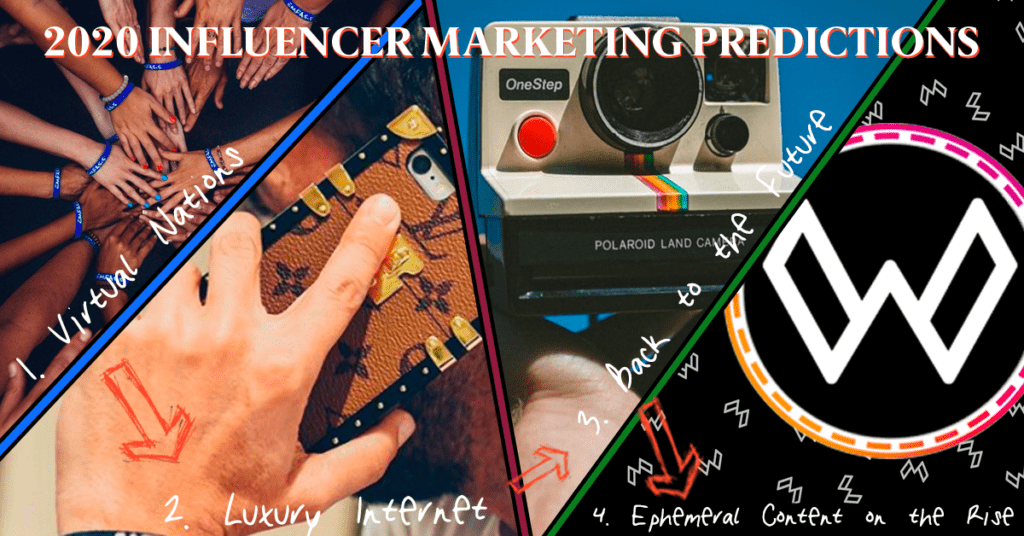
With 2020 on the horizon, Wearisma’s data and analytics team have put together 4 upcoming trends and predictions for brand strategists and Influencer Marketers to take into consideration.
As we build on the power of Influencers, our predictions for the year are:
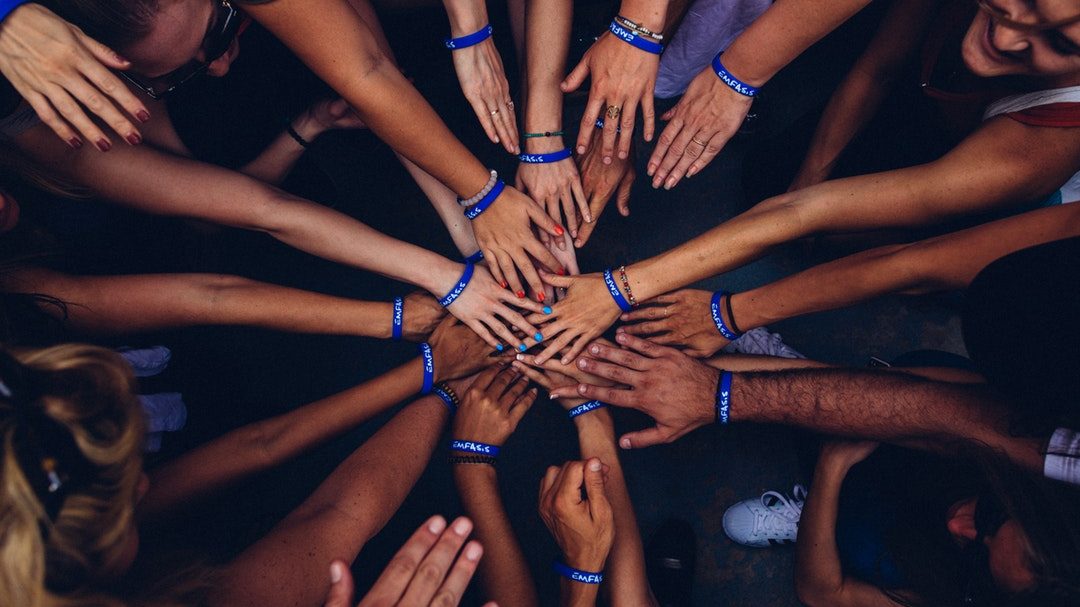
In the late 90s, social media was launched as a free for all, a place where you could and would regularly connect with people far removed from your own life. Now, social media mirrors real life more closely, whereby, we stick within our own online communities, regularly conversing with people who share our own beliefs and ideals. Twitter’s #BlackTwitter and YouTube’s #YouTubeBlack events are just one example of how social media communities are breaking off to become standalone entities with their own popular topics and vernacular. In order to stay relevant, brands will have to first identify these growing communities and actively work with their key stakeholders to stay relevant within this evolving space.
Social Identity Theory posits that a significant proportion of our identity and self-worth hinges on our membership to certain social groups (see point 1). In 2020, it’s predicted that ‘in-group’ members will increasingly seek to separate themselves from outsiders by creating ‘safe spaces’ online where, through their content, they can express themselves freely and feel understood. Facebook groups, private watch parties and messaging apps like We-Chat will become increasingly exclusive which will serve to reinforce the identity of ‘in-group’ members.
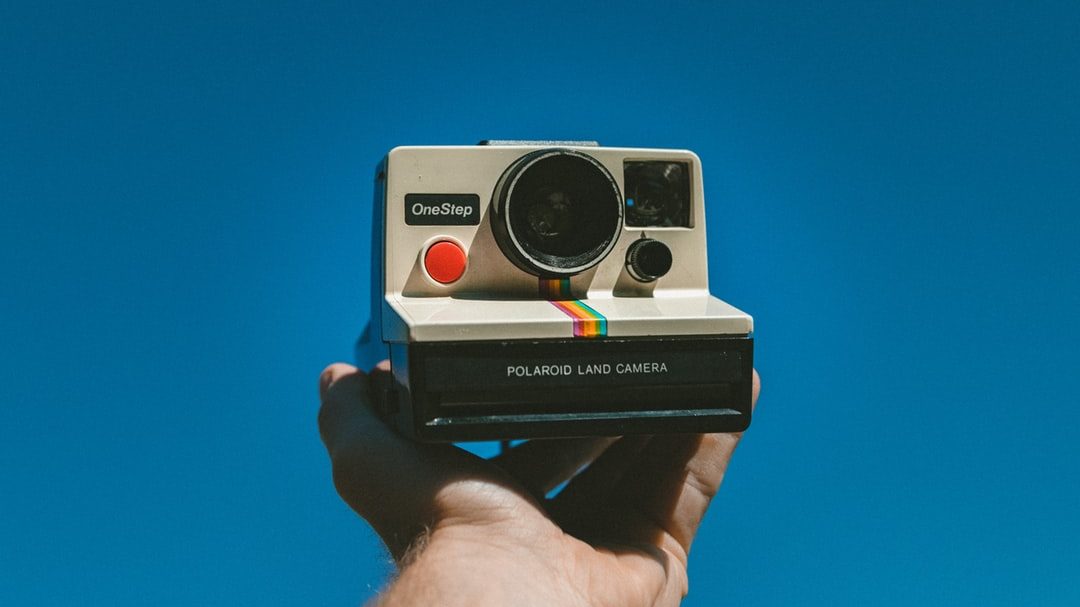
In fashion and in music, nostalgia has been a recurrent trend for several years and in 2020, it’s predicted that social media will be looking back whilst moving forward. Before its demise, one of the main draws of MySpace is that it allowed a high degree of customisation. Users could make their pages their own, writing custom HTML to change wallpaper skins, change music and so on. While social media can help us find our tribes, it can also reinforce our desire to be unique. This month, Facebook’s launch of Whale, an app that allows users to create their own memes is a clear example of how social media users will be looking to utilise their creativity to help them stand out within their (chosen) crowds.
Ephemeral or disappearing content like those hosted on Instagram stories is projected to dominate Influencer Marketing in 2020. 1 in 4 Millennials and Gen Z-ers look for Stories of the products and services they want to buy. Hootsuite’s 2019 Social Trends Survey also revealed that 64% of marketers have either already implanted Instagram Stories into their social media strategy or are aiming to do so in the next 12 months. Consequently, a tool to track and monitor the performance of Instagram Stories like StoryVault will be increasingly necessary.
Discover Wearisma’s latest seasonal reports delving into the state of Influencer Marketing in Fashion, Beauty and Luxury around the world. Get your free reports here!