WeArisma in Your Coffee Break on the Top ‘Glass Skin’ Beauty Brands
In Your Coffee Break, we highlight how Charlotte Tilbury, MAC, and Garnier have become leaders in the ‘glass skin’ beauty trend, which saw a 111% YoY increase in mentions in 2024, by leveraging strategic influencer collaborations to achieve impressive media values and drive the trend’s continued momentum.
Published On: May 2, 2024
Top Brands and Influencers Driving the ‘Glass Skin’ Trend in 2024
Discover the top ‘glass skin’ beauty brands demonstrating the power of effective brand x influential sources triggering trends in our latest feature in Your Coffee Break.
The ‘glass skin’ beauty trend, characterised by a clear and poreless complexion, first appeared on social media in 2018, but reached its peak virality this year. “Content/mentions for ‘glass skin’ peaked in Feb 2024 with 111% YoY increase – hinting at continued momentum for being a key beauty trend this year.”
Our data reveals the beauty brands that became ‘glass skin’ favourites this year and the influential sources driving the excitement around the trend. Charlotte Tilbury, MAC and then Garnier emerged as the frontrunners among the preferred brands to achieve the perfect ‘glass skin’ look.
Charlotte Tilbury’s skincare line, featuring products like the Magic Water Cream and Glow Toner, has garnered significant attention, tallying up 1.6k mentions across social media platforms. Beauty YouTubers using the skincare products in their ‘glass skin’ tutorials heavily contributed to Charlotte Tilbury achieving the highest media value of $6.5M.
MAC’s collaboration with Kali Ledger drove their success as the influencer’s video using MAC’s Hyper Real skincare products to achieve glowy skin generated an engagement rate of 327.85%. The beauty brand reached an impressive media value of $6.3M.
Hydration is key for ‘glass skin’, a feature that Garnier strategically capitalised on to promote their skincare line and generate a media value of $5.6M. The beauty brand collaborated with influencer Verónica Sánchez in several pieces of content demonstrating how hydrating Garnier’s skincare products are.
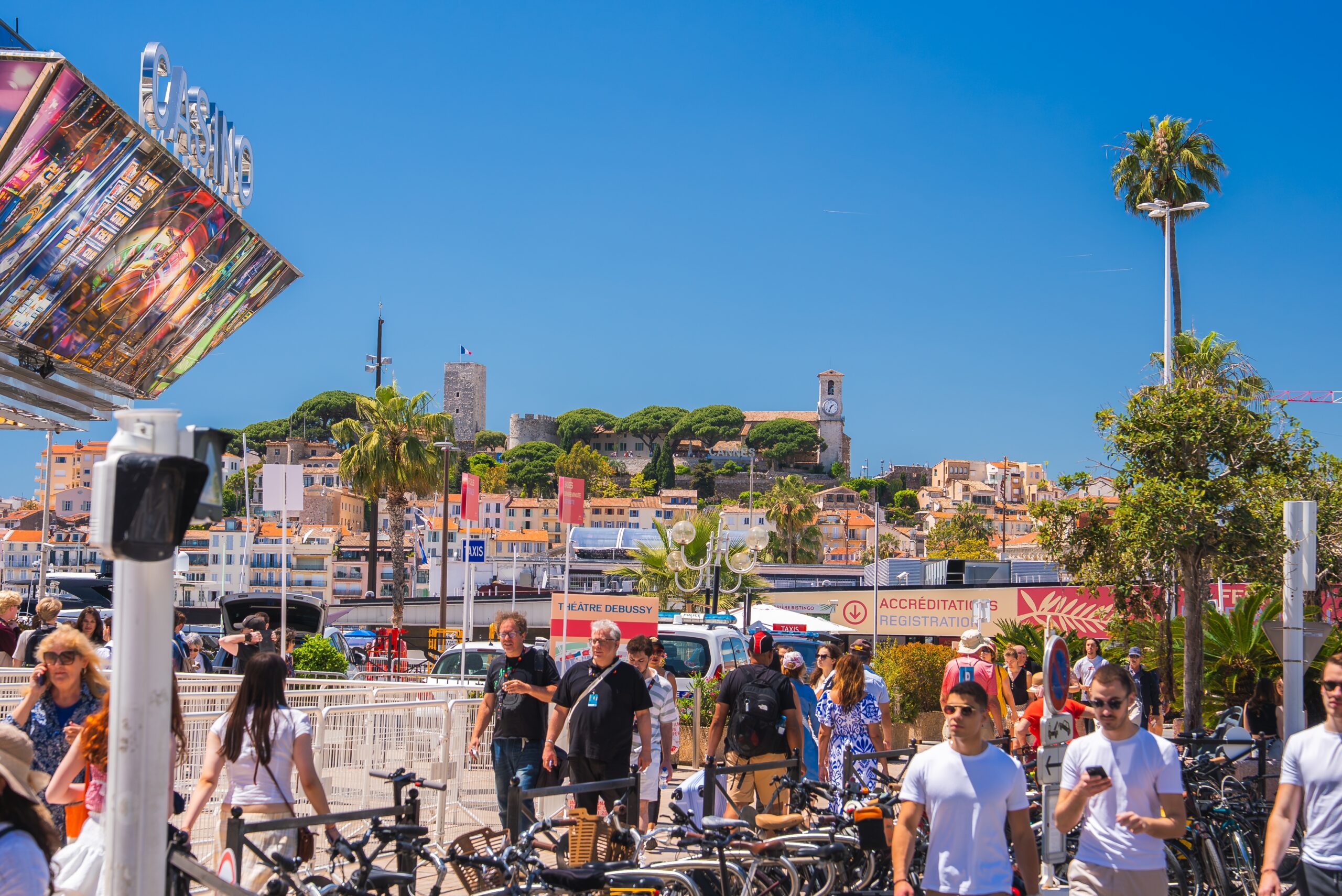
Cannes Lions 2026: The Creator Marketing Questions Every CMO Will Be Asking
Cannes Lions has always been where the industry takes stock, not just of the work, but of where the money is going and why. This year, creator marketing will be front and centre. Not because it’s new, but because the ground underneath it is shifting in ways that are forcing brands to fundamentally rethink how they plan, measure and value creator partnerships.
Here are the three topics we expect to define the week.
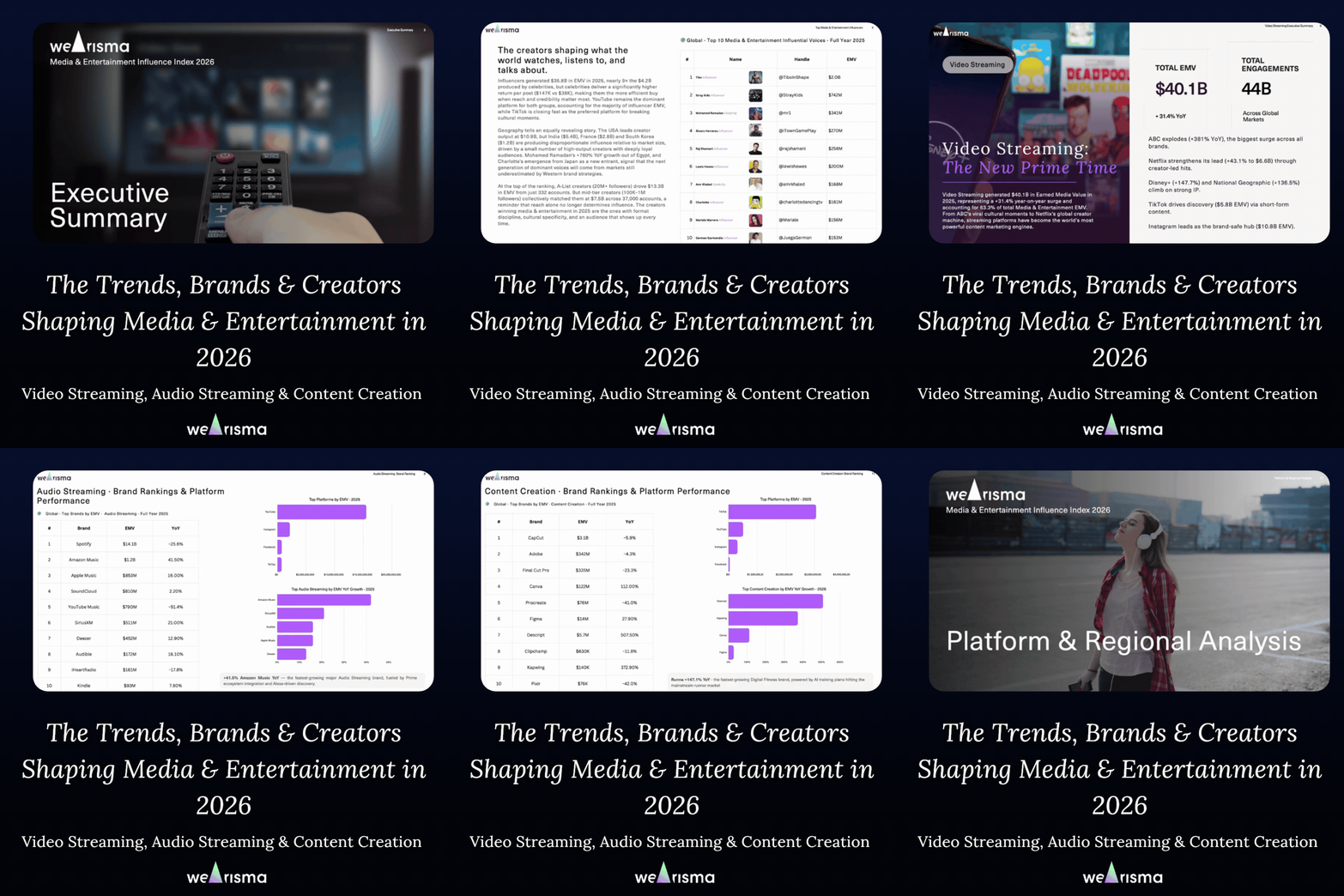
The top 100 media and entertainment brands across video streaming, audio streaming, and content creation generated $63.4B in total Earned Media Value in 2025, up +7.0% YoY. Growth is uneven across sub-sectors, video streaming surged while audio streaming declined sharply, platform dynamics are shifting fast, and a handful of breakout brands are rewriting what influence looks like in entertainment.
TikTok grew +70.2% YoY and is rapidly closing the gap on YouTube as the dominant entertainment influence platform. YouTube remains #1 at $32.6B but declined -11.3%, while Instagram grew +4.4% to $13.3B. Facebook nearly doubled to $7.3B (+98.9%), making media and entertainment one of the few categories where four platforms are genuinely competing for share.
We use cookies to ensure that we give you the best experience on our website. If you continue to use this site we will assume that you are happy with it. See our Privacy policy for more information.
 State of Influence Index 2026 now LIVE - Explore the creators, trends and platforms driving conversations