State of Influence Index 2026 now LIVE - Explore the creators, trends and platforms driving conversations
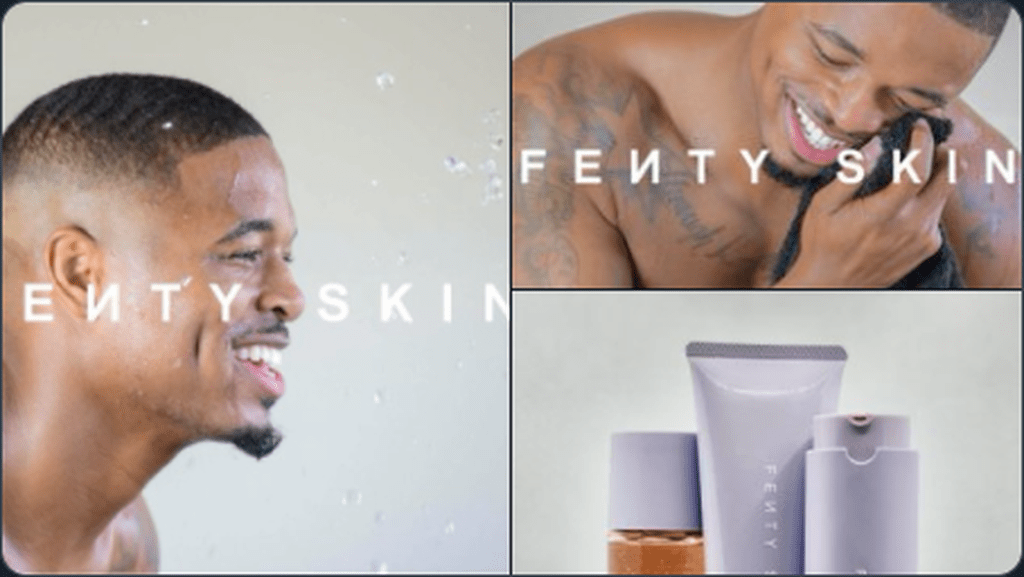
Singer and mogul Rihanna launched Fenty Beauty back in September 2017 to overnight success. Already reaching $600 million in revenue in 2019 with $1bn in sight, her ambition has moved from Beauty to Skincare.
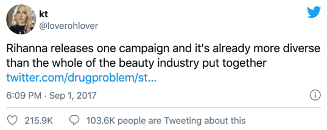
With their motto “beauty for all”, the popularity of the brand can be credited to their commitment to inclusivity in both influencer selection and product features. Their debut foundation came in 40 shades (which has since increased to 50). The year following Fenty Beauty’s launch, makeup brands dramatically expanded their shade ranges to keep up with this new, more inclusive standard. Her campaign perfectly represented this ethos, featuring 15 models and influencers of all backgrounds, skin colours and sizes bringing new meaning to the definition of diversity. The campaign received attention in the press and social media hailing Rihanna for her commitment to representing all.

Fenty Beauty can also credit its brand buzz to thoughtful collaborations with mega- female influencers of colour such as Jackie Aina (@jackieaina), Alissa Ashley (@alissa.ashley) and Patricia Bright (@thepatriciabright). Their vast audience and cultural impact spoke directly to the brands’ “beauty for all” motto and saw them become major contributors to Fenty Beauty’s success online. On Instagram alone, throughout 2019 #FentyBeauty content achieved an above-average engagement rate in the US (3%), and the UK (3.8%), further cementing the impact of the so-called ‘Fenty Effect’.
However, with this new venture: ‘ Fenty Skin’, launching on July 31st, the brand is taking a calculated risk to switch gears and work with an emerging group to help replicate Fenty Beauty’s success – male beauty influencers.
Read more: ‘Is this good?’ Your Definitive Guide to Engagement Rates
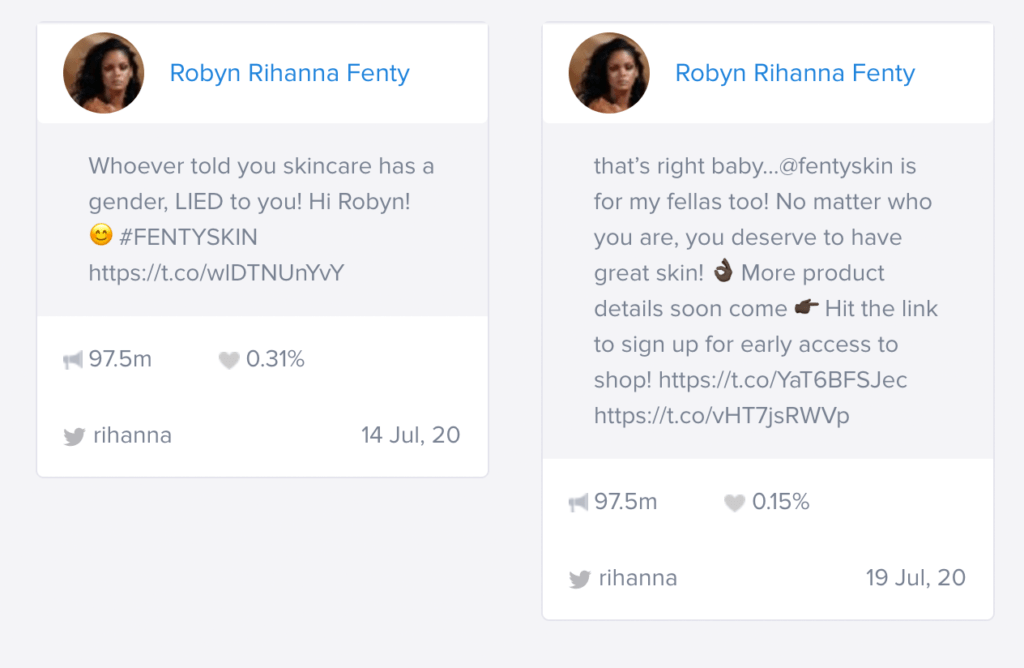
The male beauty industry as a whole has experienced an increase in publicity and engagement and Fenty Skin has capitalised on this growing trend. From our Wearisma’s analytics tool, we can see that the top post by media value from the Fenty Skin announcement came from the songstress discussing the genderless nature of skincare, citing that her line would be targeted at men too.
The Media Value of #malebeauty content has increased by 90% from the week before the Fenty Skin announcement. Back in 2018, in ‘The State of French Beauty Influence’ – Wearisma and CEW Frances’s joint white paper, we identified ‘Beauty Boys and Men’ as an influencer persona to watch due to their high content output and Media Value generation. This upward trend has been in place for a while, with google searches for men’s skincare routines rising by over 400% in the last five years and with men’s skincare sales leaping 7% within the last year, it appears it isn’t going anywhere.
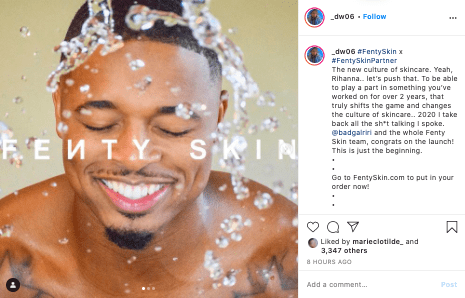
From the Wearisma platform, we can see that Influencer Darryl W (@_dw06) is just one of the new male #Fentyskinpartners to be announced this week and already his Instagram post celebrated the announcement has achieved a whopping 19 % Engagement Rate, more than double his average and approximately 6 times the industry average!
To celebrate this growing influencer sub-group and to give you an idea of who you should be working with in your next beauty campaign, we’ve highlighted 3 male beauty influencers who, according to our insights, are going from strength-to-strength.
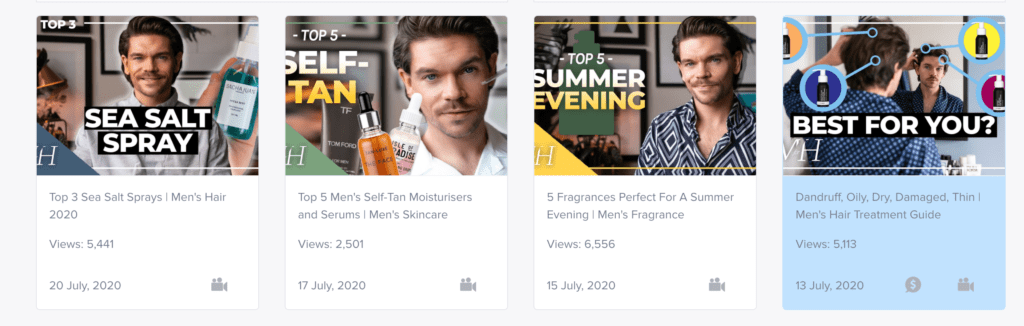
Robin James is a Men’s grooming and lifestyle influencer. He has a presence on both Instagram and Youtube sharing anything from hairstyling and fragrance to reviewing Men’s self-tan moisturisers. The increased interest in influencers discussing male beauty has been reflected in his follower count which has increased by 1000 subscribers on YouTube since Rihanna’s tweet.
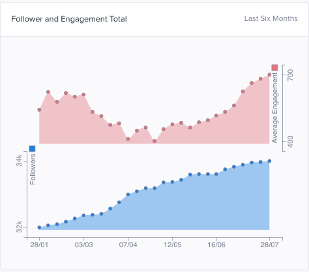
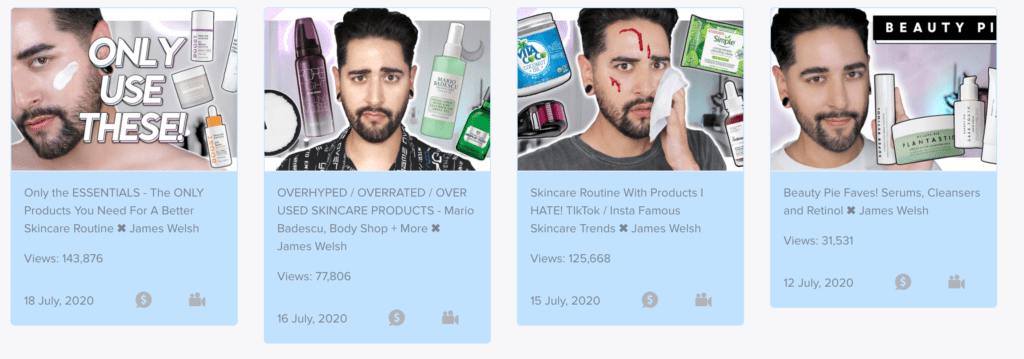
James Welsh is a former stylist and self-professed “skincare enthusiast.” James’ most popular platform is Youtube where he has 848k subscribers who look forward to his skincare routines, product recommendations, and skincare hacks. He gained 13,000 subscribers on Youtube within the week after the Fenty Skin announcement and 3,700 on Instagram in the same time frame. James’ audience is 60% male and 40% female showing that while the majority of his audience is like himself his content also appeals to females too. This speaks to the diversity of the male beauty industry which is becoming increasingly inclusive.
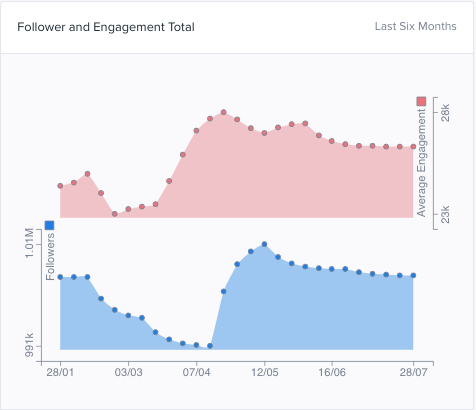
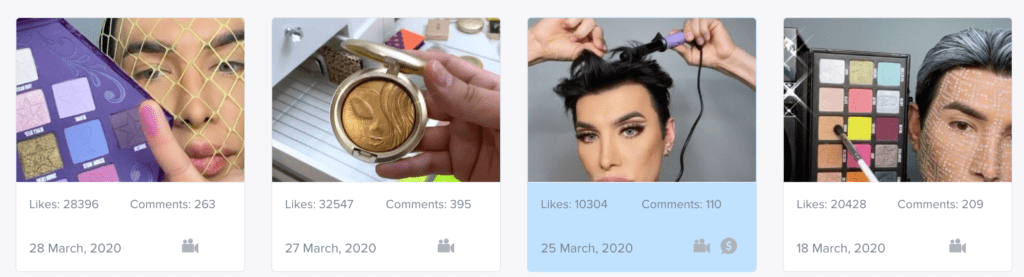
Lou Flores is a Latino male influencer who shares tutorials and product recommendations with his 1million followers. As a celebrity makeup artist Lou shares both looks and techniques he uses on clients as well as his own personal recommendations for his own routines. Lou has been branching out to TikTok where his tutorials have received over 3.9 million likes. While Lou’s main content is him creating looks for himself, the majority of his audience is women again, showing the diverse nature of male beauty content and its universal appeal.
Fenty Skin has accelerated male beauty and skincare to the forefront of our social media conversations. The discussions have brought attention to both Rihanna’s brand and the broader topic of why so many beauty brands market only towards women. Rihanna has caught onto a quickly developing talking point and an industry that stands to see a change in the near future. Pioneering and including her brand in this narrative is positive in both a social context and a business context. If history is anything to go by we may be seeing a resurgence of “the Fenty effect” with more skincare brands adopting male, non-binary, gender non-conforming and other gendered influencers.