In our latest report, we spotlight how Dior Beauty, Jean Paul Gaultier, and Belmond are redefining brand storytelling through immersive hospitality experiences – and what this means for creator strategy in 2025.
Published On: June 27, 2025
Luxury thrives on reinvention, and today, that reinvention is happening aboard trains, inside spas, and along riverside retreats. Luxury fashion houses are teaming up with hospitality leaders to create immersive, influencer-ready experiences.
The luxury hospitality market grew by 4% in 2024, reaching an estimated €242 billion. From five-star resorts to bespoke train journeys, travel continues to outperform traditional luxury goods, thanks to rising demand for experience-led escapes.
The global wellness economy is projected to hit $7 trillion by 2025, with wellness tourism alone growing at a 20.9% annual rate, reaching $1.1 trillion. From forest bathing to floating spas, self-care is no longer a niche – it’s a luxury lifestyle.
Immersive travel campaigns consistently outperform static shoots. Whether it’s sunrise yoga in Paris or vintage train journeys through the Highlands, these experiential campaigns deliver content gold, and keep luxury brands culturally front and center.
As consumer priorities shift from possessions to experiences, brands are trading static messaging for dynamic, sensory storytelling. And hospitality, with its built-in aspiration, emotional depth, and content-rich environments, has emerged as luxury’s most valuable collaborator.
We’ve highlighted three standout collaborations that show how Dior, Jean Paul Gaultier, and Belmond are redefining the rules of luxury influence, through motion, mood, and unforgettable environments.
To launch Scandal, Jean Paul Gaultier brought drama and glamour to the Venice Simplon-Orient-Express, with curated menus, art deco indulgence, and VIP content creation.

Luxury wellness meets travel aboard the Royal Scotsman, with forest bathing, Pilates, wild swimming, and tailored skincare rituals. This Dior x Belmond collaboration taps into a consumer shift: restoration over status.

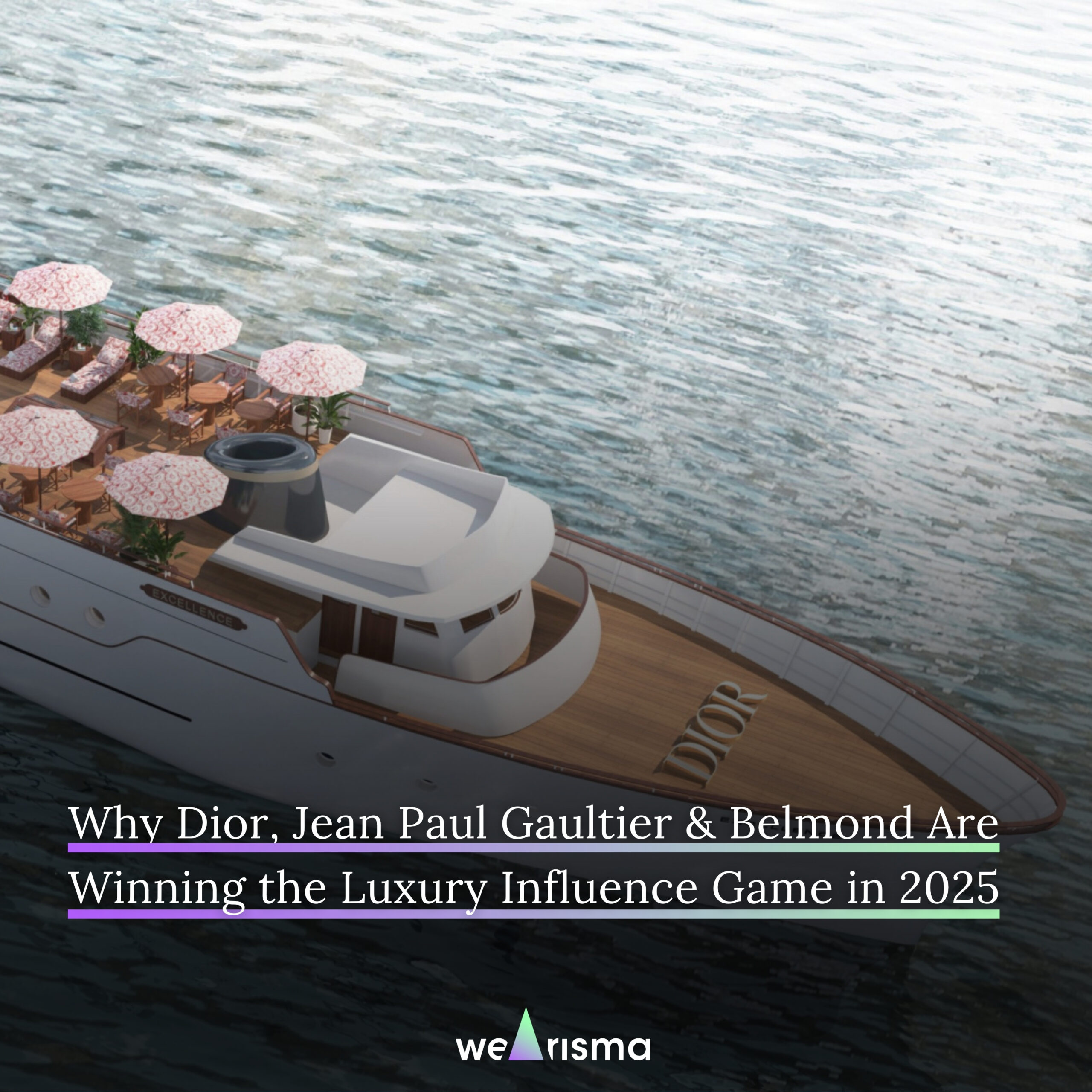
Timed with the Paris Olympics, Dior created a floating spa in the heart of the city, combining sunrise yoga with Eiffel Tower views and luxury beauty treatments. The campaign was a perfect storm of timing, visuals, and experiential buzz.

Want the Full Breakdown?
Access timely cultural trends, strategic creator guidance, and industry best practices.
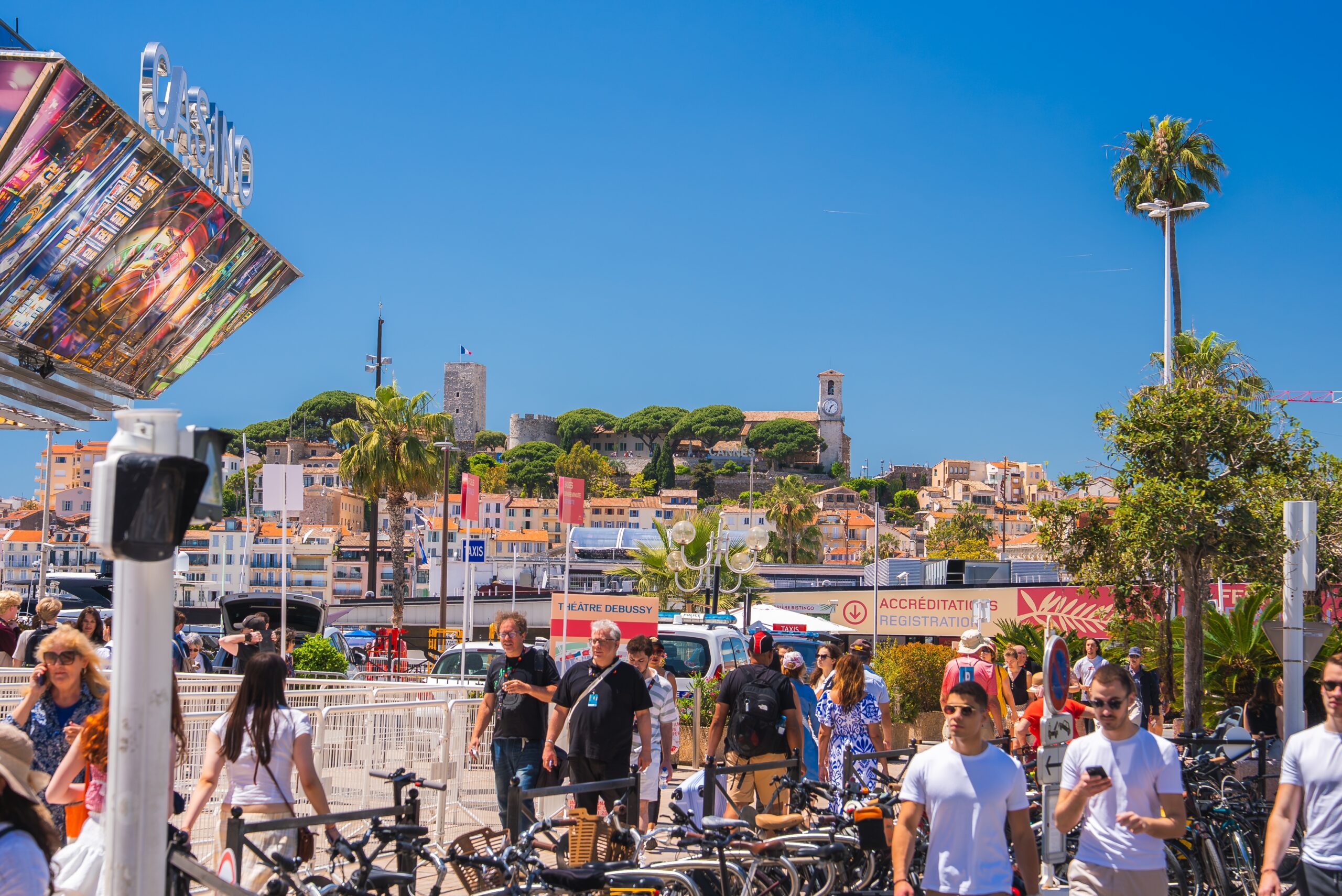
Cannes Lions has always been where the industry takes stock, not just of the work, but of where the money is going and why. This year, creator marketing will be front and centre. Not because it’s new, but because the ground underneath it is shifting in ways that are forcing brands to fundamentally rethink how they plan, measure and value creator partnerships.
Here are the three topics we expect to define the week.
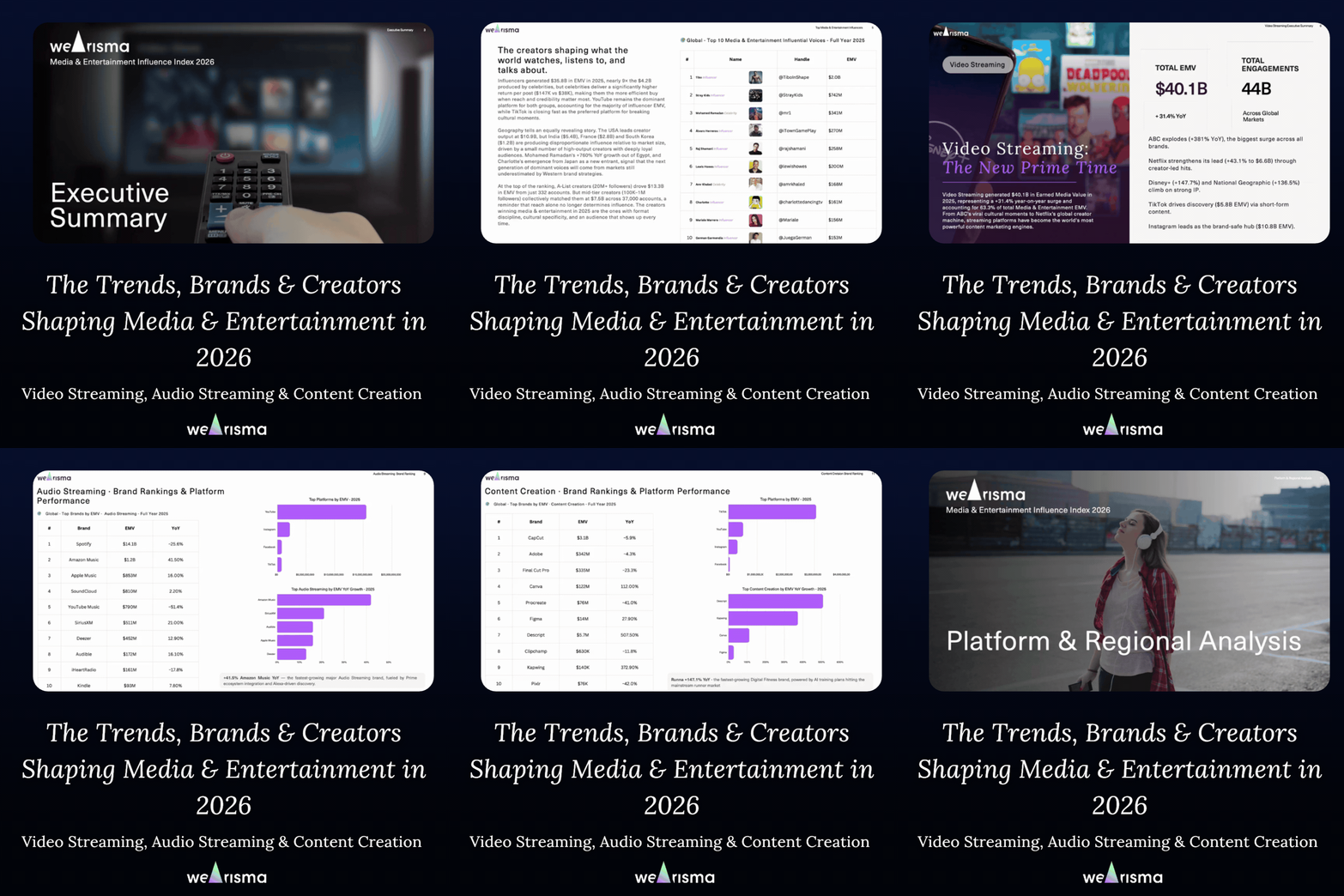
The top 100 media and entertainment brands across video streaming, audio streaming, and content creation generated $63.4B in total Earned Media Value in 2025, up +7.0% YoY. Growth is uneven across sub-sectors, video streaming surged while audio streaming declined sharply, platform dynamics are shifting fast, and a handful of breakout brands are rewriting what influence looks like in entertainment.
TikTok grew +70.2% YoY and is rapidly closing the gap on YouTube as the dominant entertainment influence platform. YouTube remains #1 at $32.6B but declined -11.3%, while Instagram grew +4.4% to $13.3B. Facebook nearly doubled to $7.3B (+98.9%), making media and entertainment one of the few categories where four platforms are genuinely competing for share.
Join our community and get cultural insights, creator strategy guides, and real-world best practices.